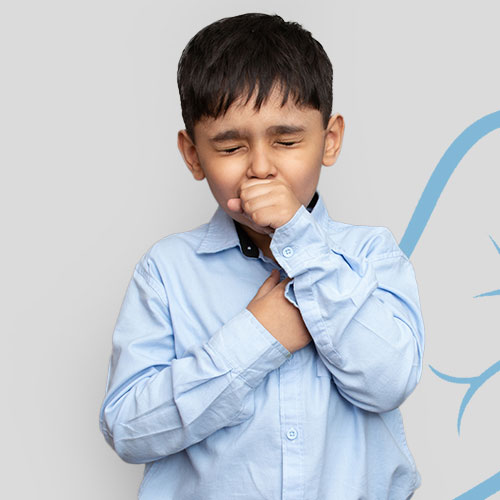
Childhood Asthma
Childhood asthma is a common and serious condition that affects millions of children worldwide. It is a chronic lung disease that causes inflammation and narrowing of the airways, leading to breathing difficulties. Early diagnosis and proper management can help children lead healthy and active lives.
Causes
Asthma in children can be triggered by several factors. Some of the most common causes include:
Genetics: A family history of asthma, allergies, or eczema increases a child’s risk.
Allergens: Dust mites, pet dander, pollen, mold, and cockroach droppings can trigger asthma.
Respiratory Infections: Viral infections like colds or flu can worsen asthma symptoms.
Air Pollution: Smoke, fumes, and environmental pollutants can irritate the airways.
Weather Changes: Cold air and sudden weather shifts may trigger symptoms.
Physical Activity: Exercise-induced asthma can cause breathing difficulty during or after physical exertion.
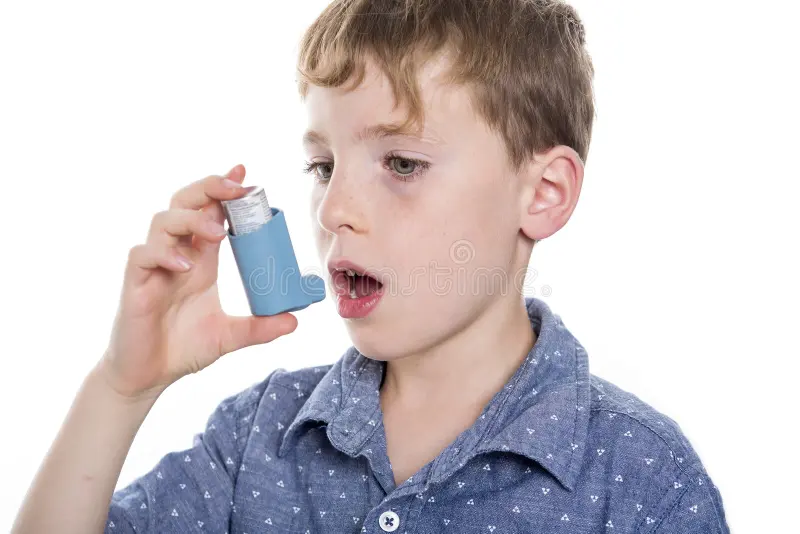
Breathing Problems Are Common
Breathing difficulties are the hallmark symptom of childhood asthma. Children may experience:
Wheezing: A high-pitched whistling sound during breathing, especially when exhaling.
Shortness of Breath: Difficulty in catching their breath or rapid breathing.
Chest Tightness: A feeling of pressure or pain in the chest.
Frequent Coughing: Especially at night or early morning, after activity, or during cold weather.
These breathing problems may vary in severity from mild to life-threatening.
Other Symptoms of Asthma in Children
In addition to breathing difficulties, children with asthma may also show:
Chronic Cough: Persistent coughing that doesn’t go away easily.
Fatigue: Feeling unusually tired or weak due to poor oxygen intake.
Trouble Sleeping: Frequent waking during the night from coughing or wheezing.
Reduced Activity Levels: Avoiding play or exercise due to breathing difficulties.
Frequent Respiratory Infections: Such as bronchitis or pneumonia.
Exams and Tests
To diagnose asthma, doctors may perform:
Physical Examination: Checking breathing, nose, and throat.
Medical History: Family history of asthma or allergies.
Lung Function Tests (Spirometry): Measures how much air a child can exhale and how quickly.
Allergy Testing: Identifies potential allergens that may trigger asthma.
Chest X-Ray: Sometimes done to rule out other lung conditions.
For younger children, diagnosis may rely more on symptoms and response to asthma medications since lung function tests are difficult in very young children.
Treatment
Treatment for childhood asthma focuses on managing symptoms and preventing attacks:
Inhalers: Quick-relief (rescue) inhalers like short-acting beta agonists for immediate symptom relief.
Controller Medications: Daily use of corticosteroid inhalers or leukotriene modifiers to reduce inflammation.
Allergy Medications: If allergies are a trigger, antihistamines or allergy shots may help.
Asthma Action Plan: A personalized guide from the doctor to manage symptoms and handle emergencies.
Lifestyle Adjustments: Avoiding known triggers, maintaining a clean environment, and encouraging healthy habits like exercise under guidance.
With proper treatment and care, most children with asthma can control their symptoms and enjoy a normal, active life.
Need More Help on Asthma , Allergy and Pulmonology issues ?